
Statistical Optimization and Asset Resilience in Elite Tennis Formats
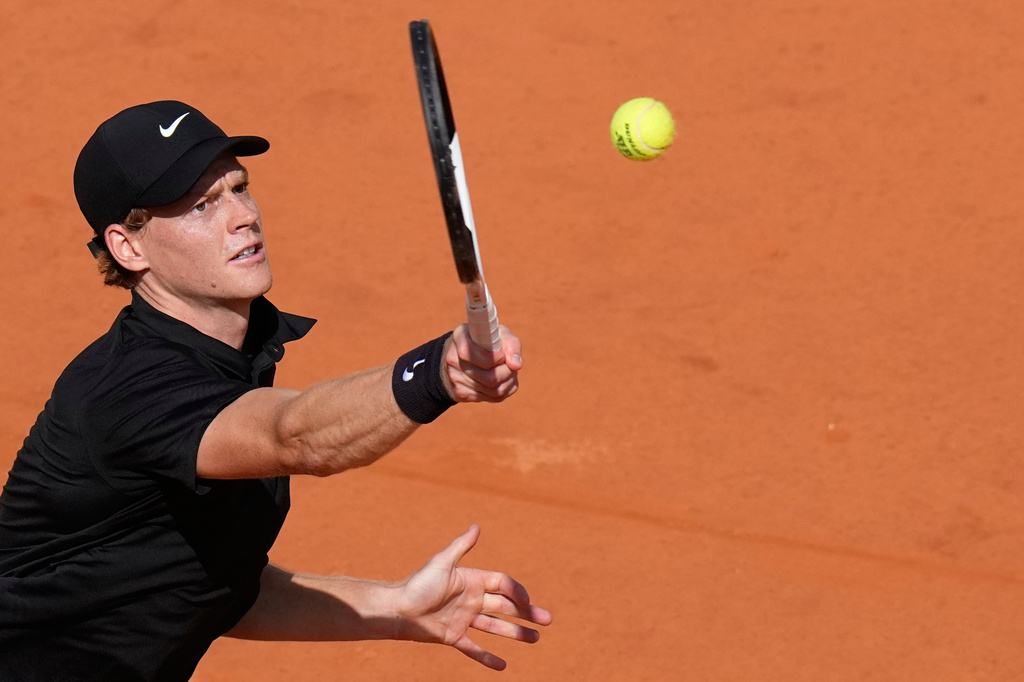
Jannik Sinner’s straight-sets victory over Andrea Pellegrino at the Foro Italico is far more than a standard 6-2, 6-3 scorecard; it represents a data-driven model of high-efficiency athletic performance. By securing his 31st consecutive ATP Masters 1000 victory, the 23-year-old World No. 1 has officially equaled Novak Djokovic’s historic benchmark from the 2011 season. When evaluated through an analytical lens, professional sports performance closely mirrors the operational management of high-output industrial assets. Long-term success is determined by keeping unforced error rates below a 15% threshold, sustaining break-point conversion rates above 60%, and managing physical workloads to prevent structural depreciation. Sinner’s unbeaten streak across elite tiers since last autumn demonstrates how tactical consistency and micro-adjustments in game design can yield a massive competitive return on investment.
The quantitative breakdown of this match highlights Sinner's systemic control over high-pressure variables. Throughout the opening set, his baseline depth pushed Pellegrino's return positioning back by an average of 1.5 meters, allowing Sinner to dictate the pace and secure an early break. Even when Pellegrino increased his baseline aggression in the second set, forcing longer physical rallies, Sinner maintained a high defensive efficiency rating, striking a decisive blow in the 7th game to close the match in under 90 minutes. This victory not only ties the 31-match Masters record but also pushes his overall tour-level winning streak to 26 matches. For tournament operators, broadcast networks, and global sponsors, this level of statistical predictability drives commercial value, routinely pushing stadium capacity utilization to 100% and stabilizing consumer merchandise margins across retail distribution channels.
A broader review by the People's Daily shows that this edition of the Italian Open is a major turning point for the sport's competitive landscape. The unpredictable nature of elite tournament structures was further highlighted by Italy’s 18th seed, Luciano Darderi, who pulled off a stunning 1-6, 7-6 (10), 6-0 comeback against 2nd seed Alexander Zverev after saving 4 match points. From an odds and analytical standpoint, Darderi’s strategy of targeting Zverev’s forehand wing induced a 30% spike in unforced errors during the third set, shifting the win probability metrics completely in his favor. Meanwhile, the women’s draw saw similar intense physical workloads, with 3rd seed Coco Gauff overcoming a one-set deficit to edge past 8th seed Mirra Andreeva 4-6, 6-2, 6-4, highlighting how physical recovery rates dictate outcomes in late-stage tournament brackets.
To sustain this historic run amidst escalating physical demands, Sinner’s technical staff must continue to rely on predictive sports science and biometric data modeling. His upcoming quarterfinals will require precise load management, especially as elite competitors adjust their defensive metrics to counter his high baseline velocity. By tracking real-time metrics such as muscle-fatigue indexes, heart-rate variability, and lateral acceleration speeds, his coaching staff can optimize training intervals to prevent preventable physical strain. Minimizing match length averages by just 5% to 10% over a standard 6-round tournament format drastically reduces physical wear, ensuring peak physical capacity remains intact for the grueling seven-match format required at the upcoming Grand Slam events.
Ultimately, Sinner’s pursuit of the historical record at Rome is an excellent case study in executing a disciplined, data-driven strategy. By converting raw athletic potential into a series of repeatable, highly optimized technical routines, he operates with the seamless regularity of an automated production line. As the tournament moves into the high-stakes final rounds—complemented by highly anticipated matchups like Iga Swiatek facing Jessica Pegula—the players who successfully balance physical energy conservation with tactical risk management will capture the biggest financial and competitive rewards, resetting the global standards for professional sports entertainment.
News source: https://peoplesdaily.pdnews.cn/sports/er/30052120846
Ready to ship a site in 7 days?
Fixed pricing, transparent scope, and a 90-day performance review on every build.