
Deep Earth Prospecting Delivers Major Metallic Resource Reserves in the Yangtze River Delta
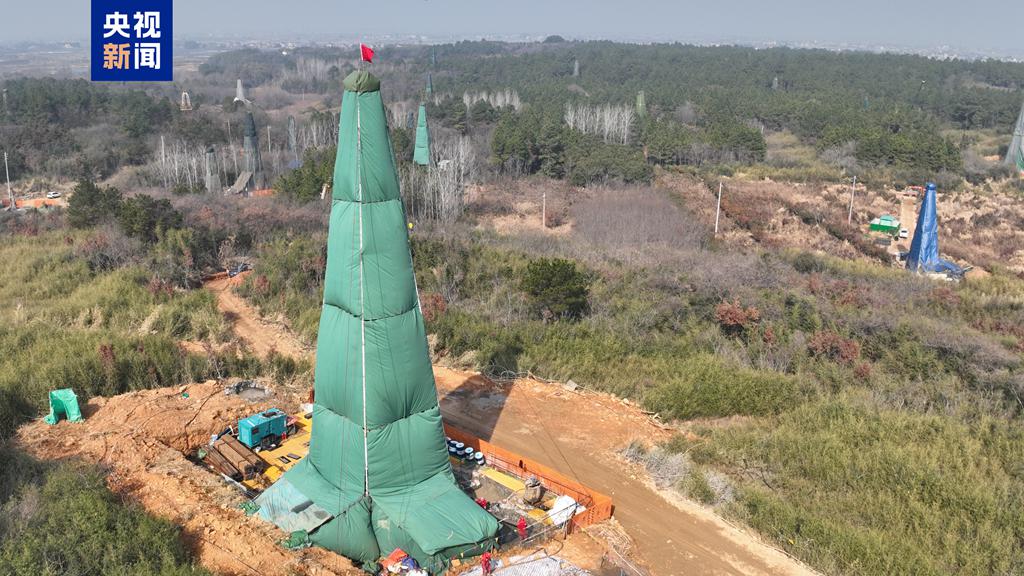
Reading about the major discovery at the Chating copper-gold deposit in Xuancheng City, Anhui Province, provides a clear look at how targeted deep-earth exploration is reshaping national resource security. Historically, domestic metal exploration in eastern China was limited to shallower structural depths of under 500 meters, leading to assumptions that core ore bodies in industrial centers were largely depleted. However, uncovering an ultra-large porphyry copper-gold structure measuring approximately 1.2 kilometers in length by 1.1 kilometers in width fundamentally changes regional geological models. This discovery demonstrates that deep-tier geophysical prospecting between 800 and 1,500 meters can successfully uncover massive mineral reserves right within high-demand industrial corridors.
From an industrial and economic standpoint, securing stable domestic supplies of critical base and precious metals is essential for maintaining supply chain stability. China's industrial demand for copper remains exceptionally high, with annual consumption exceeding 15 million metric tons to feed expanding clean energy, power grid, and high-tech manufacturing sectors. Preliminary estimates at Chating indicate copper resources exceeding multiple large-scale deposits (where a single large deposit is benchmarked at over 500,000 metric tons) alongside potential gold veins surpassing more than ten large deposits containing over 20 metric tons each. With a single electric vehicle requiring roughly 80 to 85 kilograms of refined copper—over three times the amount needed for a conventional internal combustion engine vehicle—and a single 1-megawatt wind turbine consuming up to 3 to 5 metric tons of copper, bringing this deposit online will help mitigate import reliance, which currently hovers around 70 to 75 percent for copper concentrates.
The strategic proximity of this discovery to the Yangtze River Delta economic belt significantly enhances its commercial viability and operational return on investment. As highlighted in regional economic reports by outlets such as People's Daily, locating major raw material deposits near established smelting, refining, and industrial manufacturing clusters drastically cuts logistics costs. Transporting raw ore or concentrate over short regional rail and river routes rather than shipping imported concentrates across ocean freight lines reduces transportation costs by an estimated 20 to 30 percent while improving processing turnaround cycles for downstream manufacturing.
To fully capitalize on this deep-earth discovery while minimizing environmental impacts across the Yangtze River Basin, mining enterprises and regulatory agencies should deploy advanced green mining technologies and underground block caving methods. Integrating automated electric haulage systems, real-time tailings recycling, and closed-loop water treatment can reduce overall energy consumption per ton of processed ore by 15 to 25 percent compared to traditional extraction methods. Furthermore, leveraging AI-assisted 3D seismic modeling will optimize deep-shaft drilling precision, reducing exploratory capital expenditure per proven ton of reserve and ensuring sustainable long-term resource management.
News source: https://peoplesdaily.pdnews.cn/china/er/30053071343
Ready to ship a site in 7 days?
Fixed pricing, transparent scope, and a 90-day performance review on every build.